About JAIOP
Greetings from the Chairperson
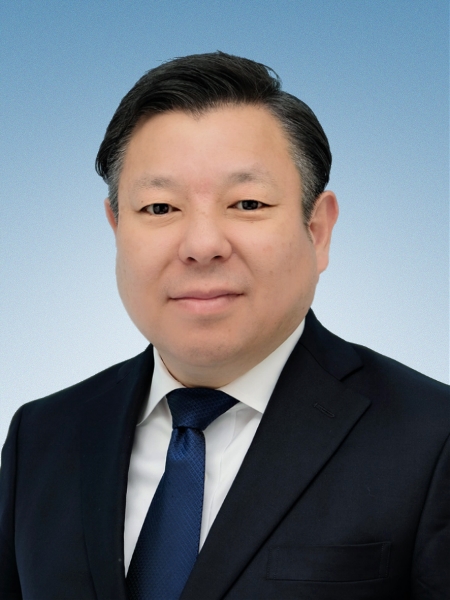
The Japanese Association of Industrial/Organizational Psychology (JAIOP) has grown into a prestigious academic society today thanks to the dedicated efforts of many distinguished scholars and the generous support of our members since its establishment. I am deeply honored to have been elected as the 14th chairperson of this distinguished association in the recent election.
JAIOP was founded in 1985, and this year marks the 40th anniversary of its establishment. Since its inception, JAIOP has embraced diversity inherent in its specialized field. Specifically, it defines industrial and organizational psychology as encompassing four areas: human resources, organizational behavior, safety and operation, and consumer behavior. It has created and shared knowledge that contributes to solving many social issues related to organizations and individuals. Thanks to the recognition of the association’s activities and values, JAIOP has grown significantly over the past 40 years to more than 1,100 members, including corporate members.
I believe that one of the major roles of this association is the “co-creation of new knowledge” in the field of industrial and organizational psychology. Due to the diversity of its specialized fields, this association brings together researchers from a wide range of academic backgrounds, including management, commerce, sociology, nursing, economics, and engineering, with a focus on psychology. Furthermore, based on active exchanges not only among researchers but also between researchers and practitioners, knowledge has been created to address contemporary issues. In order to further promote this “co-creation of new knowledge,” I believe it is essential to sincerely engage in the following three activities.
First, JAIOP provides opportunities for the publication and presentation of research results. The association publishes its official journal, Japanese Association of Industrial/Organizational Psychology Journal, which includes specialized academic articles and a section for practical reports on articles with high practical significance, enabling the publication of a wide range of articles. In addition, an “annual academic conference” is held once a year, where a number of advanced research results are presented in addition to various symposiums. In the future, I believe it will also be necessary to provide information on international academic conferences.
Second, JAIOP continues to support the improvement of research skills and the development of researchers. To promote research activities of young researchers and graduate students in the field of industrial and organizational psychology, we have established the “JAIOP Research Support” to provide partial funding for research expenses. Furthermore, JAIOP provides opportunities for researchers and practitioners to acquire the skills and knowledge necessary for conducting research activities through the “Research Skills Enhancement Seminars”. At the “Division Workshop,” held four times a year, seminars are given on the latest topics in the divisions of human resources, organizational behavior, safety and operation, and consumer behavior.
Third, JAIOP provides opportunities for researchers and practitioners to interact with each other. JAIOP actively creates opportunities for researchers and practitioners to interact with each other through research and practical cases at the above-mentioned annual academic conference and Division Workshop. In addition, JAIOP News, our public relations magazine, promotes interaction among members by distributing various articles and comments related to the association. In the future, I believe it is necessary to engage in joint projects with related academic societies.
Toward the new 40 years of JAIOP, I would like to manage the association to meet the expectations of our members and society at large. I look forward to your continued support in the future.
Tomokazu Takeuchi, Ph.D.
14th Chairperson of the Japanese Association of Industrial/Organizational Psychology
Professor, Department of Management, Gakushuin University
